

The Legacy of Inclusive Physical Activity
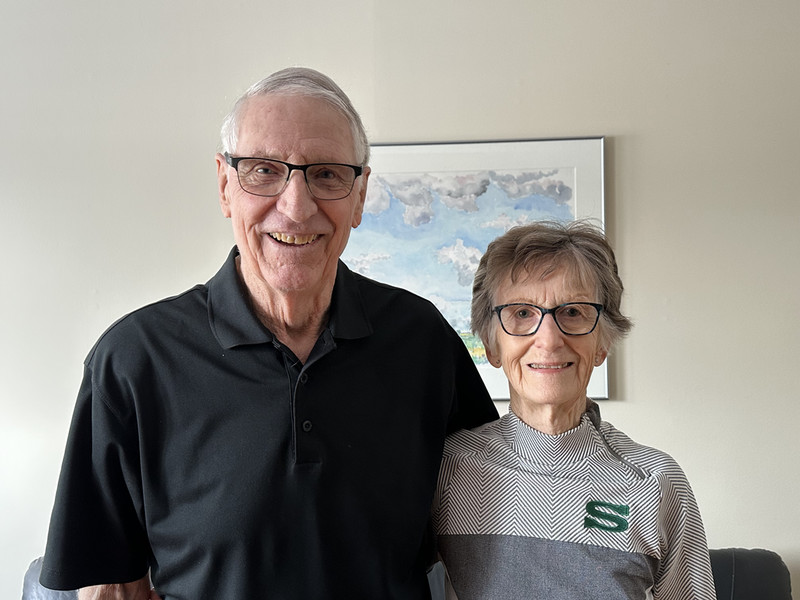
Jim and Vicki McClements would be the first to deflect attention from themselves, but the legacy they helped create through the Physical Activity for Active Living (PAAL) program is impossible to overlook.
By Alyssa WiebeFor more than three decades, PAAL has quietly transformed lives by providing inclusive and fun, physical activity opportunities for people with disabilities while giving University of Saskatchewan (USask) students invaluable, hands-on experience that has shaped how they approach sport, movement, and community for the rest of their careers.
The program’s success didn’t happen by chance. In the mid-1970s, Jim McClements, then a faculty member teaching adaptive physical education, faced a familiar challenge on how to give students meaningful experiential learning opportunities while balancing teaching, research, and other responsibilities.
“This was one of those ideas that takes shape in coffee rooms,” said Jim McClements. An idea that would evolve into PAAL, bringing together students, faculty, and the community to create an inclusive space where people of all abilities could learn, grow, and thrive through physical activity.
“I was teaching adaptive programming courses, but I didn’t have time to manage the students’ practical experiences because of graduate students, research and other teaching responsibilities,” said Jim.
The goal was to leverage the school’s expertise in physical activity to create a program that not only served people with disabilities in the community but also offered students a unique, hands-on learning experience. “PAAL was for the undergraduate students,” he said, highlighting the program’s dual impact on both participants and future professionals.
As parents of a child with a disability, Jim and Vicki deeply understood the value of physical activity, not just for skill development, but for social connection and enjoyment. PAAL began with a small, dedicated committee that included the McClements, gymnastics coach Kelly Thompson, aquatics director Kelly Lendsay, and dance instructor Joan Krohn. With the college generously providing facilities at no cost, the program offered Jim and Vicki a unique opportunity to bring together their professional expertise and personal passion for inclusive physical activity.
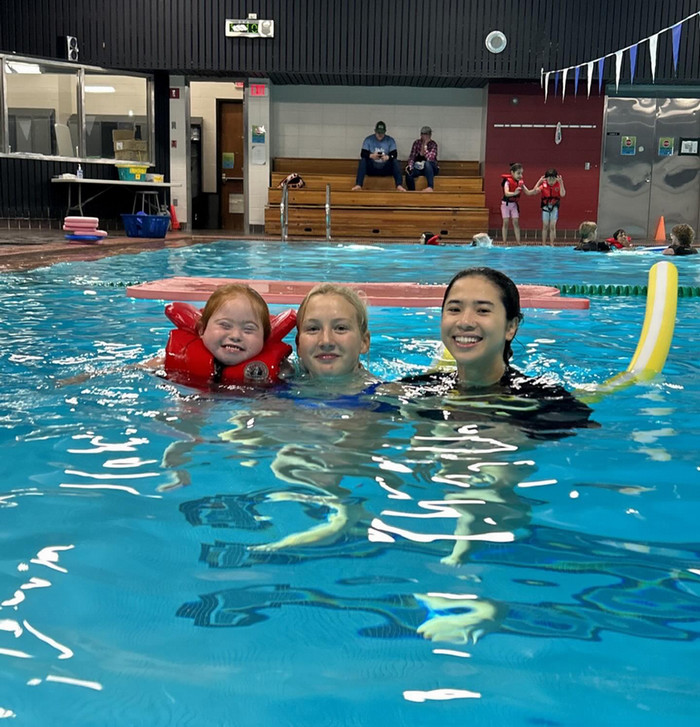
Throughout their lives, Jim and Vicki have been involved in both special needs programming and elite sport. While these two levels have often been viewed as distinct, both share a common focus on recognizing an individual’s strengths, challenges, and unique needs. This understanding formed the foundation of what has made the PAAL Program a valuable educational opportunity for undergraduate students
Even today, the program is still centered on this understanding, and the result has been the building of undergraduate students’ capacity to work meaningfully and professionally with children with special needs, through the delivery of high-quality inclusive programming.
“The PAAL program was foundational in shaping my understanding of disability inclusion—not as a concept, but as a lived experience grounded in relationships and community,” said Karen Dommett, a volunteer of PAAL as a student and currently the executive director of the 2026 Grey Cup. “It gave me an early awareness and confidence that has carried forward into my work in major sporting events, where inclusive design and accessibility must be intentional. That experience ultimately set the direction for my ongoing commitment to advancing equity and advocacy in sport.”
Vicki, a 1966 USask physical education graduate, went on to complete a master’s in recreation administration in Minnesota before taking a position as a sports consultant with the Alberta government in Edmonton. Her path crossed with Jim’s in an unexpected way. While representing the government at the national speed skating championships in Red Deer, she noticed Jim officiating on the ice.
Though they didn’t meet that weekend, fate intervened when Jim, then a University of Alberta student, was staying in the basement of one of Vicki’s colleagues. That connection eventually led to marriage in 1968, marking the beginning of a lifelong partnership that would later support their shared vision for inclusive physical activity.
Jim earned a degree in physical education from the University of Manitoba before moving to Edmonton to complete a master’s and PhD in cognitive psychology applied to physical education. Alongside his academic pursuits, he built a distinguished career as a long-track speed skating coach and official, ultimately officiating at 18 world championships and the 2002 Salt Lake City Olympics, an achievement that earned him a place in the Saskatoon Sports Hall of Fame and recognition as Saskatoon Sportsman of the year.
In 1971, the couple moved to Toronto, where Jim joined the University of Toronto’s School of Physical Health and Education. They later returned to Saskatoon, where Jim completed his career at USask, retiring in 2005. Meanwhile, Vicki focused on raising their children, ensuring they were active and fully included whenever possible. She also contributed professionally, supporting special needs students with Saskatoon Public Schools and running the pool program at John Dolan School where the work reflected her lifelong commitment to inclusive, skill-building physical activity.
“Vicki has a special talent in working with people with special needs,” said Jim. “It’s kindness, gentleness and, at the same time, she’s firm. Believe me, I know.”
When the first PAAL programming came together, Vicki acted as a resource person, bringing a wealth of personal and professional experience while Jim encouraged students to volunteer to help them fully understand inclusiveness in sport, a passion that informed his professional life.
For the McClements, PAAL has always been about giving back and creating opportunities that outlast them. As Jim reflects, “Even though our daughter never participated, we’ve seen the difference these programs make—not just for her, but for countless people with disabilities. It’s a reminder that the work we do today can open doors and shape lives for generations to come.”